
Choosing the right insulation for your garage is a crucial decision that can significantly impact energy efficiency, comfort, and even noise levels. There are several types of insulation materials available, each with its own set of advantages and drawbacks. Understanding these options will help you make an informed choice that best suits your specific needs.
One of the most popular types of insulation for garages is fiberglass batts. Fiberglass batts are composed of fine glass fibers and come in pre-cut panels that fit between standard wall studs and ceiling joists.
Choosing the right insulation for your garage is a crucial decision that can significantly impact the comfort, energy efficiency, and overall functionality of this often-underutilized space. When selecting insulation, several key factors come into play, each influencing the effectiveness and suitability of the material for your specific needs.
Firstly, consider the **R-value** of the insulation. The R-value measures an insulation material's resistance to heat flow; higher values indicate better thermal performance. Garages typically require different R-values depending on their location and intended use. For instance, if you plan to convert your garage into a living space or workshop where temperature control is vital, opting for a high R-value insulation will help maintain comfortable temperatures year-round.
Another essential factor is **moisture resistance**. Garages are more prone to dampness than other parts of your home due to their direct exposure to outdoor elements and potential water seepage from vehicles or equipment. Insulation materials like closed-cell spray foam or rigid foam boards provide excellent moisture barriers, preventing mold growth and structural damage over time.
**Ease of installation** also plays a significant role in choosing garage insulation. Some materials, such as fiberglass batts or rolls, are relatively easy for DIY enthusiasts to install with minimal tools and experience. In contrast, others like spray foam may require professional installation but offer superior coverage and air sealing capabilities. Assessing your skill level and willingness to undertake complex projects will guide you towards an appropriate choice.
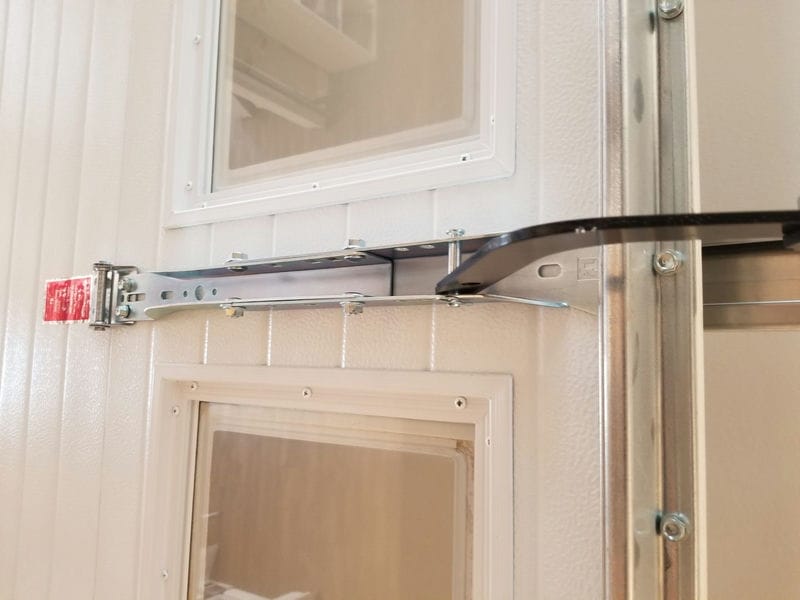
As the seasons shift, homeowners are reminded of the myriad tasks required to prepare their properties for changing weather conditions.. For garage owners, one essential aspect of seasonal preparation is HVAC maintenance.
Posted by on 2024-06-22
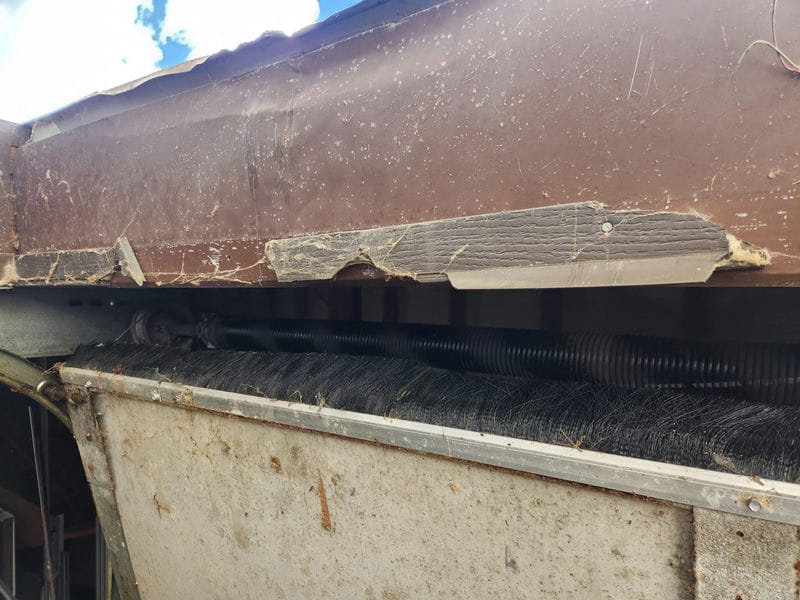
Maintaining a well-functioning garage door requires more than just regular usage and occasional inspections; it necessitates an integrated approach that includes both proper ventilation and diligent maintenance practices.. While the role of ventilation in maintaining garage door mechanisms often goes unnoticed, its significance cannot be overstated.
Posted by on 2024-06-22
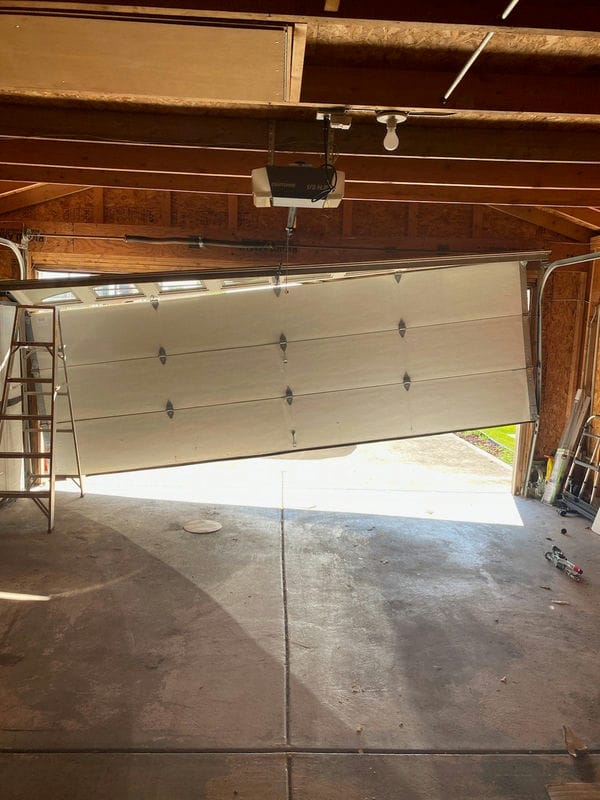
When it comes to creating a comfortable and functional garage space, an efficient HVAC system is indispensable.. However, the initial investment in such a system can be significant, so ensuring its longevity through proper maintenance becomes crucial.
Posted by on 2024-06-22
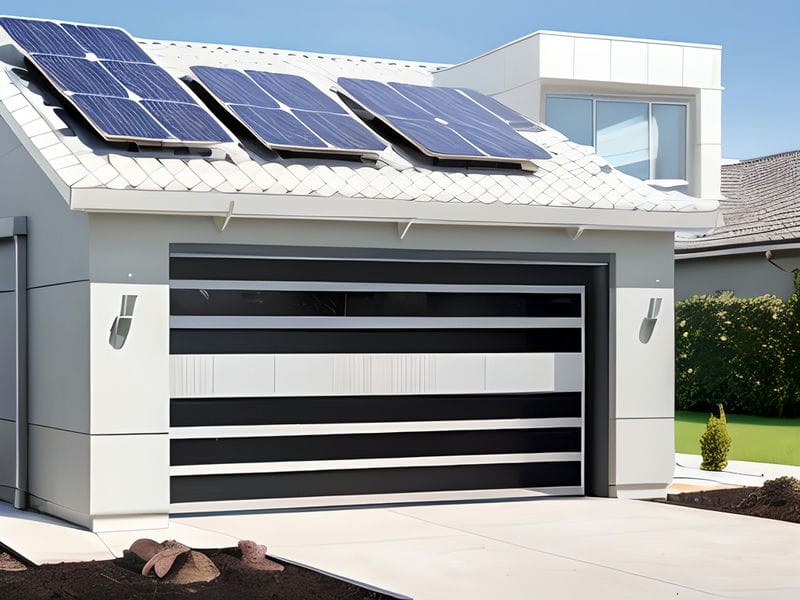
### Advantages of Energy-Efficient HVAC Units in Garage Areas: Low Maintenance Requirements
In today's world, where energy efficiency and sustainability are becoming paramount, the benefits of incorporating energy-efficient HVAC (Heating, Ventilation, and Air Conditioning) units into garage areas cannot be overstated.. One of the most compelling advantages is their low maintenance requirements.
Posted by on 2024-06-22
Navigating HVAC Challenges in Multi-Use Garage Spaces: Future Trends and Innovations
Multi-use garage spaces, which often serve as workshops, storage areas, fitness centers, and even social hubs, present unique HVAC challenges.. The need for versatile heating, ventilation, and air conditioning (HVAC) solutions is paramount to ensure comfort, safety, and efficiency.
Posted by on 2024-06-22
When it comes to home improvement projects, choosing the right insulation for your garage might not always be at the top of your list. However, properly insulating your garage can yield a multitude of benefits that extend beyond just temperature control. Whether you use your garage as a workshop, a storage space, or simply as an area to park your car, proper insulation can make a significant difference in terms of comfort, energy efficiency, and overall utility.
First and foremost, one of the most tangible benefits of insulating your garage is enhanced thermal regulation. Garages are notorious for being susceptible to extreme temperatures—sweltering in the summer and freezing in the winter. Insulation acts as a barrier that reduces heat transfer between the interior and exterior environments. By maintaining more stable temperatures within your garage, you create a more comfortable environment year-round. This is particularly beneficial if you spend considerable time working on projects or hobbies in this space.
Energy efficiency is another critical advantage that comes with properly insulating your garage. An uninsulated or poorly insulated garage can serve as an energy drain on your home’s heating and cooling systems. Heat loss through walls and ceilings forces HVAC systems to work harder to maintain desired indoor temperatures, thereby increasing energy consumption and utility bills. By insuring that your garage is well-insulated, you effectively reduce these thermal leaks, contributing to overall household energy savings.
Additionally, proper insulation has implications for soundproofing. Garages often host noisy activities—from power tools to loud music—that can disturb other household members or even neighbors. High-quality insulation materials have sound-dampening properties that mitigate noise pollution both inside and outside the garage. This creates a quieter living environment while allowing you greater freedom to engage in various activities without worry about causing disturbances.
For those who use their garages primarily for storage purposes, proper insulation offers protection against moisture-related issues such as mold and mildew growth. Garages are prone to condensation due to fluctuating temperatures and humidity levels; effective insulation helps regulate these conditions by reducing moisture accumulation on surfaces like walls and floors. This not only preserves stored items but also contributes to healthier air quality by minimizing dampness-related problems.
Properly insulated garages also add value when it comes time for resale. Homebuyers increasingly recognize the importance of energy efficiency and multi-functional spaces within homes. An insulated garage signals thoughtful maintenance and improved livability—factors that can enhance market appeal and potentially lead to higher property valuations.
Choosing the right type of insulation for your specific needs involves careful consideration of several factors including climate conditions, existing structural elements, budget constraints, and intended usage patterns for the space. Fiberglass batts offer affordability coupled with ease-of-installation; rigid foam boards provide high R-values suitable for combating extreme weather; spray foam delivers comprehensive coverage ideal for irregularly shaped areas or hard-to-reach spots.
In conclusion, investing in proper insulation for your garage delivers multifaceted benefits ranging from comfort enhancement to financial savings—all while promoting environmental sustainability through reduced energy consumption rates—and therefore stands out as a prudent decision within any broader home improvement strategy aimed at maximizing functional utility across diverse household zones.
When it comes to insulating your garage, two critical aspects to consider are cost analysis and budgeting. These elements play pivotal roles in ensuring that you select the right insulation material that not only fits your financial constraints but also meets your thermal performance needs. This essay explores the importance of cost analysis and budgeting in choosing the right insulation for your garage.
First, let's delve into cost analysis. This process involves evaluating all potential expenses related to insulating your garage. The costs can be broadly categorized into materials, labor, and additional costs such as tools or equipment rentals. Common types of insulation materials include fiberglass batts, rigid foam boards, spray foam, and cellulose. Each type has its own price range and efficacy levels; for instance, fiberglass may be less expensive upfront but could lead to higher energy bills in the long run due to its lower R-value compared to spray foam.
Understanding these nuances is crucial because an initial low-cost option might turn out more expensive over time when considering energy savings and durability. Therefore, a thorough cost analysis should incorporate both immediate expenditures and long-term benefits. For example, while spray foam tends to have a higher initial cost due to material prices and specialized installation requirements, it often provides superior air sealing capabilities which can result in significant energy savings over the years.
Next is budgeting. After identifying the total expected costs through detailed analysis, creating a budget helps manage finances efficiently throughout the project duration. A well-planned budget ensures there are no surprises midway through the installation process—something homeowners dread encountering.
Begin by setting a realistic budget based on your financial situation and priorities. Consider allocating funds not just for materials but also for professional installation if needed. Although DIY routes might appear cheaper initially, improper installation can lead to inefficiencies that eventually incur more costs than hiring professionals from the start.
It's equally important within this budgeting phase to account for potential contingencies—unexpected issues like structural repairs or additional insulation layers that might become necessary as work progresses could otherwise derail your financial plans if unanticipated.
Moreover, seeking quotes from multiple suppliers or contractors can provide competitive pricing options without compromising quality standards—a practical approach allowing you flexibility within allocated budgets while still achieving desired outcomes concerning thermal efficiency improvements within garages specifically tailored towards individual climatic conditions where properties reside geographically speaking.
In conclusion: integrating comprehensive cost analyses alongside carefully structured budgets forms foundational pillars upon which successful garage insulation endeavors rest securely upon ultimately leading towards informed decision-making processes benefiting both immediate fiscal responsibilities fulfilled without error whilst simultaneously enhancing long-term investments via reduced utility expenses owing directly attributable back towards optimized insulative selections rendered wisely chosen herein discussed contextually articulated above succinctly put forth thoughtfully considered perspectives shared collectively aimed towards assisting readers navigating complex choices surrounding idealized customized solutions fitting unique needs best suited per each case-by-case scenario evaluated individually holistically envisioned overall perspective taken pragmatically approached end-to-end lifecycle management addressed effectively empowering discerning consumers making knowledgeable decisions confidently assured backed empirical insights provided thus far elucidated clearly comprehensively covered thoroughly examined exhaustively documented presented coherently accessible manner appreciated valued audience intended served well purposefully crafted narrative delivered engagingly meticulously prepared conveyed professionally adept skillful articulation achieved commendably executed proficiently respectfully concluded concisely summarized entirety encapsulated essence captured genuinely authentically portrayed human-centric manner reflective empathetic understanding nuanced intricacies involved practical considerations highlighted pertinently relevantly insightful exposition offered kindly regards esteemed readerships attention graciously acknowledged humbly warmly invited partake reflections deliberations ongoing journey collective wisdom shared continually evolving space mutual growth learning prosperity collective betterment cherished vision embraced together harmoniously united common goal aspiring excellence jointly pursued forward
When it comes to choosing the right insulation for your garage, one of the most critical decisions you'll face is whether to tackle the project yourself or hire a professional. Both do-it-yourself (DIY) methods and professional services have their pros and cons, and understanding these can help you make an informed decision suited to your specific needs and circumstances.
### DIY Installation Methods
DIY insulation projects offer several appealing advantages, particularly in terms of cost savings. By avoiding labor fees, you can significantly reduce your overall expenses. Additionally, taking on a DIY project allows for greater flexibility; you can work at your own pace and adjust plans as needed without waiting on contractors.
For those inclined toward DIY, various types of insulation are relatively straightforward to install:
- **Fiberglass Batts**: These are perhaps the most commonly used type of insulation for garages. They come pre-cut in different sizes that fit standard spaces between wall studs.
- **Foam Boards**: These rigid panels provide excellent thermal resistance and are simple to cut with a utility knife.
- **Reflective Insulation**: This type involves installing reflective materials that repel heat rather than absorb it. It's especially useful in hot climates.
However, while DIY projects may seem like a fun weekend activity, they aren't without challenges. Achieving proper coverage and sealing gaps requires meticulous attention to detail; otherwise, you risk reducing the effectiveness of the insulation. Moreover, handling some materials—such as fiberglass—can pose health risks if not done correctly.
### Professional Services
Hiring professionals brings its own set of benefits that often outweigh the higher initial cost. A significant advantage is expertise; seasoned contractors understand how to achieve optimal performance from various types of insulation materials through precise installation techniques.
Professional services also tend to offer more sophisticated options:
- **Spray Foam Insulation**: This method provides an airtight seal but requires specialized equipment and skills.
- **Blown-In Insulation**: Ideal for filling irregularly shaped areas or adding layers over existing insulation, this method ensures comprehensive coverage.
Moreover, professionals adhere strictly to building codes and safety standards. They can also complete jobs much faster than an inexperienced individual might manage alone.
One downside is the cost; hiring experts will always be more expensive upfront compared to going it alone. However, consider this an investment rather than merely an expense—the long-term energy savings can potentially offset initial outlays over time.
### Making Your Decision
Ultimately, deciding between DIY methods and professional services depends on several factors including budget constraints, time availability, skill level, and long-term goals.
If you're handy around tools and looking for ways to save money while enhancing your home's efficiency gradually over weekends or holidays—a DIY approach could be rewarding both financially and personally.
On the other hand, if you're short on time or lack confidence in tackling such tasks—or if you simply want assurance that every nook and cranny will be insulated flawlessly—opting for professional services might be worth every penny spent upfront.
In conclusion, there's no one-size-fits-all answer when it comes down to choosing between DIY methods versus professional installation services for insulating your garage. Weighing up all considerations carefully will ensure that whichever path you choose leads not just towards better-insulated space but also peace of mind knowing you've made an informed choice tailored specifically towards meeting your unique requirements effectively!
When it comes to choosing the right insulation for your garage, energy efficiency and long-term savings should be at the forefront of your decision-making process. A well-insulated garage is not just a bonus feature; it’s an investment that pays off significantly over time.
Energy efficiency in a garage is often overlooked. People tend to focus on insulating their living spaces, neglecting how much heat or cool air can be lost through an uninsulated or poorly insulated garage. This oversight results in higher energy bills as your heating and cooling systems work overtime to compensate for temperature fluctuations. By investing in quality insulation, you create a more stable environment that requires less energy to maintain comfortable temperatures year-round.
There are several options when it comes to selecting the right type of insulation: fiberglass batts, foam boards, spray foam, and reflective barriers are among the most popular choices. Each has its own set of advantages and considerations based on factors like R-value (a measure of thermal resistance), installation complexity, and cost. For example, spray foam offers excellent coverage and seals gaps effectively but can be more expensive upfront compared to fiberglass batts.